
A new feature is popping up at business conferences and trade shows across the UK: special relaxation areas built around casino games. In most cases, the star attraction is the Mega Moolah slot. This is not merely a bit of fun placed in a corner. Event planners are using these spaces purposefully, to help people connect, take a mental break, and add a burst of controlled energy to the day. It’s a clever twist on current event planning, using a well-known progressive jackpot game to get people conversing. Let’s explore why Mega Moolah has become so popular at these events. We’ll dissect how the game works, why people are interested in it, and the realistic setup that turns it into a valuable professional tool. This is about the workings of event management, and how a slot machine can alter the way people engage.
The Growth of Casino-Themed Networking Zones at UK Events
Hosting a conference in the UK today is difficult. Organizers need to develop an event that matches the price of admission, something people will remember. The old model of lecture-style sessions for hours is disappearing. People want interaction and an experience. Casino-themed breaks, especially ones highlighting Mega Moolah, answer that call. These are not afterthoughts. They are purpose-built spaces, with proper branding and staff. Their purpose is simple: to melt away the stiffness between participants. The shared, harmless excitement of observing the slot action gives everyone something to discuss. It surpasses chatting about the weather. For the organizers, it’s a major attraction. It gives delegates something special to reference later, which boosts how beneficial they think the event was.
Operational Setup: Staging a Mega Moolah Break Area
Setting up a Mega Moolah section needs careful planning. Using real money should be avoided. The ideal solution utilizes special terminals that run on a virtual credit system. Delegates may receive a starting batch of credits when they check in. They can earn more by performing things like checking out a sponsor’s booth or accessing the event app. This gets people moving to the places organisers need them to go. The layout is also important. Machines should be positioned so crowds can congregate, with enough room to stand and talk. Sound needs to be managed so the excitement doesn’t carry into quiet sessions nearby. Keeping staff on hand is non-negotiable. They explain the system, keep things orderly, and ensure it all running. Featuring a live leaderboard displaying who has the most credits keeps people interested all day, prompting them to come back and try again.
Case Study: Integration at a Key London Tech Summit
A digital finance event at London’s ExCeL centre recently proved how well this can work. The event team made a „Mega Moolah Lounge” the central point between speaker sessions. Over the three-day gathering, data showed 70% of attendees entered the lounge. They lingered for over 25 minutes on average, much longer than people linger at a standard coffee station. After the event, surveys indicated 82% of people found it easier to start conversations there. Several sponsors pointed out a clear jump in good leads coming from the challenges linked to earning game credits. The jackpot was virtual, but it awarded a real prize—a top-end tech gadget. The award ceremony became a big, noisy highlight. This demonstrated the game wasn’t a sideshow. It was the engine for engagement and a spark for new connections.
Why Mega Moolah? Breaking Down the Game’s Workings for Collectives
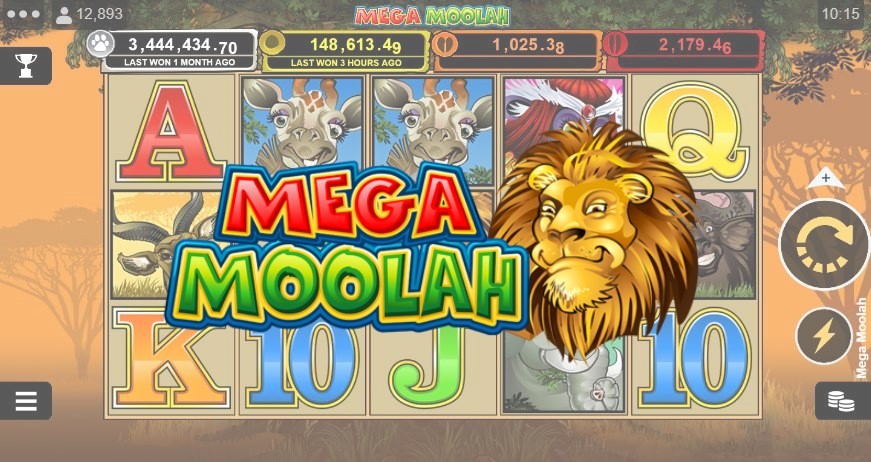
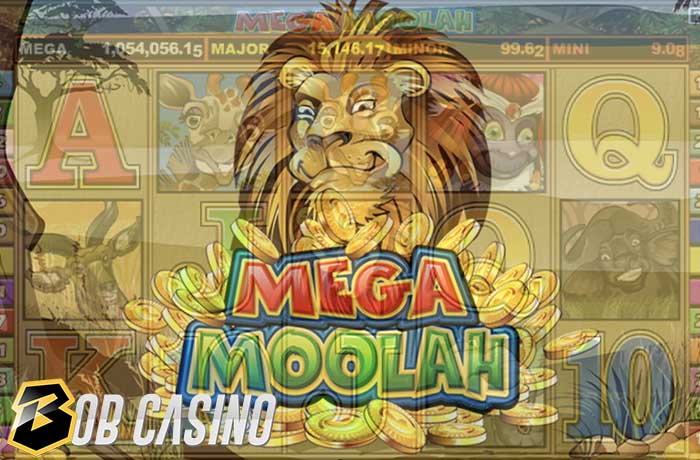
Mega Moolah functions in a crowd because it was designed to. Its biggest attraction is the progressive jackpot, a prize pool that expands and often reaches millions. This sets up a perfect group daydream. Anyone can spin a slot machine. There’s no skill required, no rulebook to read. A person grasps the big spin button immediately. Then there’s the bonus wheel. When it lights up, it becomes a spectacle. One person’s game suddenly has an onlookers. This mix is key: it’s simple, everyone roots for the same huge prize, and the bonus rounds create a scene. That’s what makes it so great at pulling people together and generating a buzz in a managed way.
The Mindset of Shared Jackpot Quest in Professional Settings
Chasing a Mega Moolah jackpot at a conference leverages some basic human psychology. The expectation of a win gives people a little mood improvement, which makes them more open to conversation. Having that feeling builds a quick, casual link that a structured networking coffee break might not. Slots also use the „near-miss.” When the reels almost line up, it doesn’t discourage the group. Instead, people laugh it off and urge each other to try again. In this setting, the game is clearly just for fun. Delegates employ virtual credits, not cash, so there’s no real fear about losing money. But the fun and the emotional journey are still there. This allows professionals be a bit whimsical, building a connection that can make the next business talk easier.
Combining Professionalism and Entertainment: Risk Management
Introducing a casino game into a business event does require some safeguards. The top priority is keeping everything clearly for fun. All communications, from the event website to the signs on site, must state this is for virtual entertainment only. There is no real gambling and no financial risk. Training the zone staff is important. They should know how to identify and gently handle anyone getting a bit too into it, though this is rare when no real money is involved. It also helps to present the zone as just one option among many. It should complement the conference’s main educational purpose, not overshadow it. With these steps in place, organisers can use the draw of Mega Moolah without compromising the professional quality of their event.
Future Trends: The Progression of Interactive Event Breaks
So what does the future hold? The Mega Moolah break will undoubtedly expand with new technology https://mega-moolah.uk/. We’ll witness it linked more directly into event apps. Delegates could check their credit balance, get bonus spins by activating a QR code at a sponsor, or even join a jackpot chase with people attending online. The next version might employ augmented reality, where turning a physical wheel in the venue also spins the digital reels on screen. The data from all this activity will also transform into gold dust for organisers. Tracking who interacts, how they engage, and what they like helps tailor future events and shows a clear return on investment to sponsors. This whole trend indicates a bigger shift. Breaks are being redesigned. They’re no longer just a pause. They are a moment for measurable connection, designed with the principles of a game.
Adding Mega Moolah to UK conference schedules is a smart bit of event planning. It utilizes the game’s own design to solve the classic problem of awkward networking. It turns dead time into active, social time that enables people decompress and talk. Handled well, with a solid virtual setup and a focus on safe fun, it renders attendees happier, provides more for sponsors, and gives an event its own hallmark. This trend emphasizes a move toward experience and game-like interaction. It turns out that a bit of shared, structured excitement can be a surprisingly good way to build professional relationships.