

For users in the UK, that opening spin on extrachillislot Chilli ought to be immediate. But the delay between tapping the button and viewing the reels ignite often depends on something you can’t see: your mobile or broadband network. We ran side-by-side comparisons on major UK networks to find out which ones get you into the game fastest and maintain your session without a glitch.
The Reason Network Speed Matters for Online Slots
Modern online slots, Extra Chilli among them, pack in detailed graphics, animations, and audio. All that information needs to move rapidly. A sluggish network results in more than just waiting. It can lead to jerky animations, spins that are not recorded, and a disrupted rhythm. When the game’s pace is part of the fun, a reliable connection is everything. You must look at both top speeds and reliability, notably during the nighttime when users is online and networks become congested.
The sort of connection you use plays a role too. Spinning on 4G, 5G, or home broadband brings varying levels of delay, which is the delay before a data transfer commences. Too much latency makes a game seem sluggish, like it’s ignoring to you. Our tests evaluated the real performance: the total duration from launching the game in a casino hall to the moment it’s entirely ready to play.

Reflect on what the game has to download: high-definition images, the systems for the bonus games, multiple sound files. If any one piece is lagging to load, the whole process pauses. This is hardly like expecting for a news page to display, where a second more is irrelevant. For a slot game, even tiny delays can ruin the excitement and break your attention.
The Impact of Wi-Fi vs Mobile Data
Players often question if they should change to cellular data when their home Wi-Fi seems weak. Our results point to a simple rule. A strong Wi-Fi connection that’s backed by a fiber broadband line will typically give you a more stable, low-latency experience than mobile data, leading to speedier and more reliable slot loading. Wi-Fi is also less likely to fail because you’ve gone into the next room.
But a bad Wi-Fi signal from a slow internet source or an overloaded router can be much worse than a good 4G/5G connection. In those situations, switching to your mobile network can reduce load times in half. The secret is to perform a quick speed test if you sense the game lagging. For players residing in areas with excellent 5G reception, using mobile data as your principal gaming connection is now a fully workable and quick choice.
Your home configuration plays a major part. A Wi-Fi router stuck in a hallway cupboard or at the other end of the house creates a bottleneck, even if you’re opting for a top-tier fibre package. Disruption from other appliances like cordless phones or microwaves can also reduce Wi-Fi performance for gaming. Mobile data sidesteps these local issues totally by offering you a straight line to the tower, which can be a real advantage in some homes.
4G and 5G Cellular Network Comparison
Mobile play is big, and your network choice is critical. Based on our tests, EE’s 5G network came out on top when loading Extra Chilli, thanks to its extensive 5G coverage and high bandwidth. Loading times on EE 5G frequently matched or beat many home broadband connections, giving you fast speeds without being tied to your router.
Three’s 5G connection demonstrated impressive speed too, however, its coverage may be patchy outside of big towns and cities. Vodafone and O2 delivered solid, reliable performance on both their 4G and 5G services, with typical loading times allowing for seamless play. We found that in packed city locations during rush hour, every mobile network could slow down, which shows why a steady home Wi‑Fi connection is still valuable for marathon gaming.
One important observation related to 4G used as backup. Though on paper it’s slower than 5G, a robust 4G connection from EE or Vodafone often beat a weak and unreliable 5G signal from any carrier. A steady 4G connection with full bars offers you steadier data throughput than a 5G signal that struggles to get through walls or connect from a distant antenna.
Broadband Network Performance: Virgin Media vs BT vs Sky
If you’re playing Extra Chilli at home, your broadband is the primary connection. The results clearly showed winners. Virgin Media’s fibre network, with its excellent speed and low ping, always delivered the fastest response times, often finishing in less than two seconds. Their system is optimized for the fast real-time data demands of today’s games.
BT Full Fibre and Sky Broadband also showed good results, though their results varied more depending on the specific package and the local exchange. Standard ADSL connections from any provider had a tough time, with load times often stretching past eight seconds. This makes one thing obvious: for good slot play in the UK now, a fibre package is basically necessary.
The gap between a full fibre line and a part-fibre line was clear even among the better services. Full fibre, using direct optic cable to your home, delivered near-instant loading. This is because it cuts out the old copper wire segment, which can slow things down and cause hiccups, especially if you’re far from the green cabinet on your street.
- Virgin Media Fibre: Regularly the fastest median loading time (~1.8s). Great peak hour stability thanks to their own cable network, reducing dependence on Openreach infrastructure.
- BT Full Fibre / Sky Fibre: Solid results (~2.2-2.5s median). Slight regional fluctuations observed, with Sky sometimes showing marginally better routing to certain game servers.
- Standard ADSL (any provider): Not advised. Load times were slow and unstable, often disrupting the gaming session with timeouts during asset loading.
The Testing Methodology Described
We established a thorough testing process for a impartial comparison. We employed the exact model of modern smartphone, clearing the cache before each single test. Testing happened at various times over a week, including busy evening periods. We recorded how long it took for Extra Chilli to load entirely, from the tap in the casino app to the reels being live and ready.
We tested each network from several different sites: London, Manchester, and Edinburgh. We recorded the median load time and noted any anomalies or instances the game was unable to load. This provides us a view that considers different geographic spread and congestion degrees across the country. We wanted to find not just the speediest network, but the option you can rely on every time you spin.
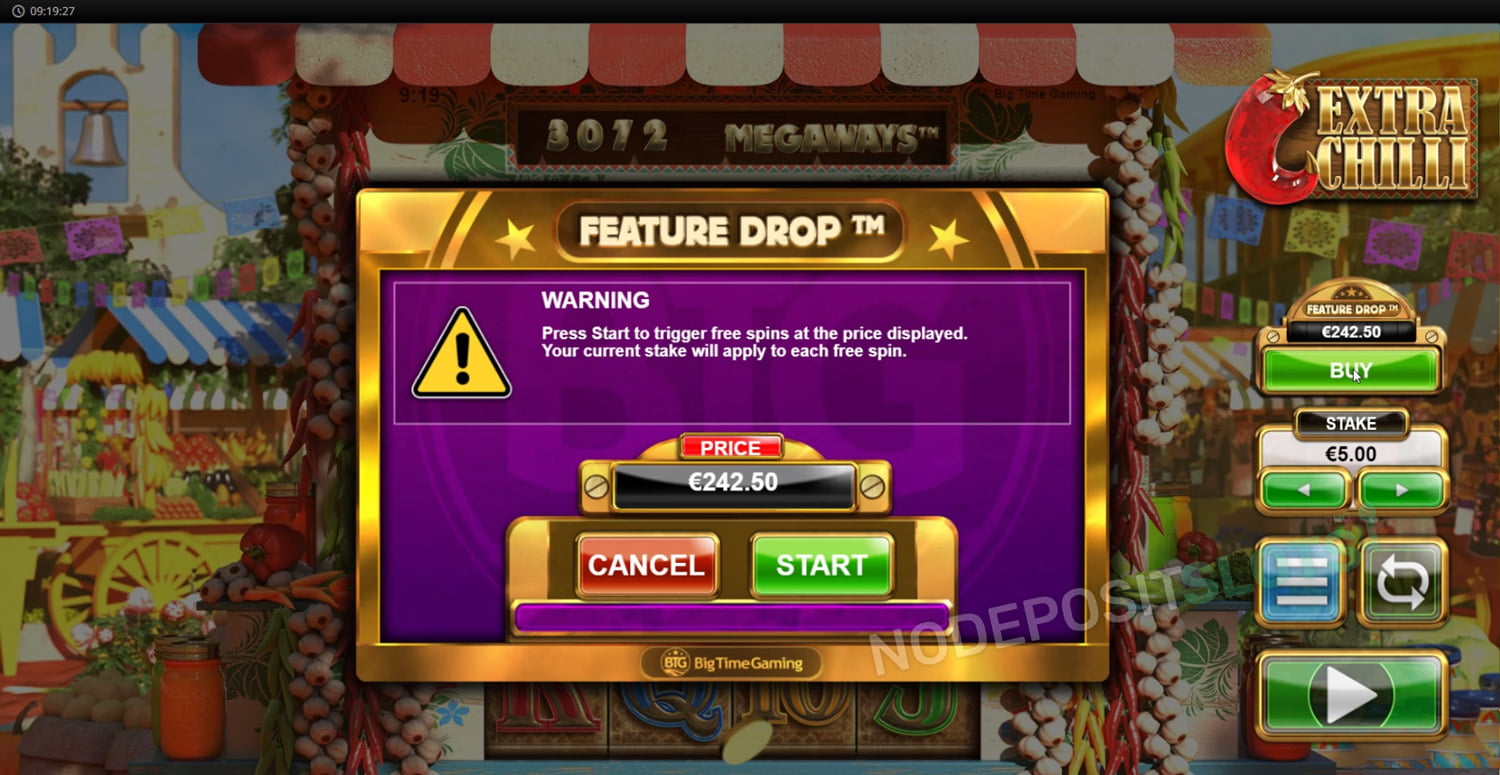
We held everything else unchanged, employing the same online casino and ensuring all device software corresponded. Instead of using special speed test servers, we gauged the game loading right from the casino’s servers, exactly as a player would. This end-to-end timing records the genuine delay you face, covering every step from reaching the server to displaying the final graphic on your screen.
Optimising Your Setup for Speedier Load Times
No matter who your provider is, you can take a few things to aid Extra Chilli load faster. Start by running a speed test when you’d normally play to check what you’re working with. If the numbers look low, try rebooting your router; it’s cliché but it works. If you’re on Wi-Fi, get your device closer to the router, or explore a mesh system for a bigger house.
On a mobile, toggling between 5G and 4G can sometimes find a better connection if one band is crowded. Make sure your phone’s software and your casino app (or browser) are up to date, as updates often feature under-the-hood improvements for networking. Finally, close other apps that hog bandwidth, like video streams or big downloads, before you commence your gaming session.
If you want to go further, you can attempt a couple of advanced tweaks. Changing your DNS server to a public option like Google DNS or Cloudflare can cut a fraction of a second off the initial connection. For desktop or laptop players, attaching an Ethernet cable is still the ultimate fix, removing Wi-Fi from the equation altogether. On mobile, deactivating battery saver mode while you play can stop your phone from deliberately slowing down the network to save power.
- Execute a speed test (use Ofcom’s official app) to assess your current connection quality, latency, and jitter.
- Place yourself closer to your Wi-Fi router or employ an Ethernet cable for PCs/laptops for a guaranteed stable link.
- Restart your modem/router to refresh the connection to your ISP and fix any internal memory issues.
- Update your device’s software and the casino app or browser you use to benefit from the latest network code.
- Terminate unnecessary background apps and tabs that consume bandwidth, particularly cloud sync services and streaming music.
- Look into a Wi-Fi analyser app to find the least congested channel for your router in densely populated areas.